03 — ARTWORK
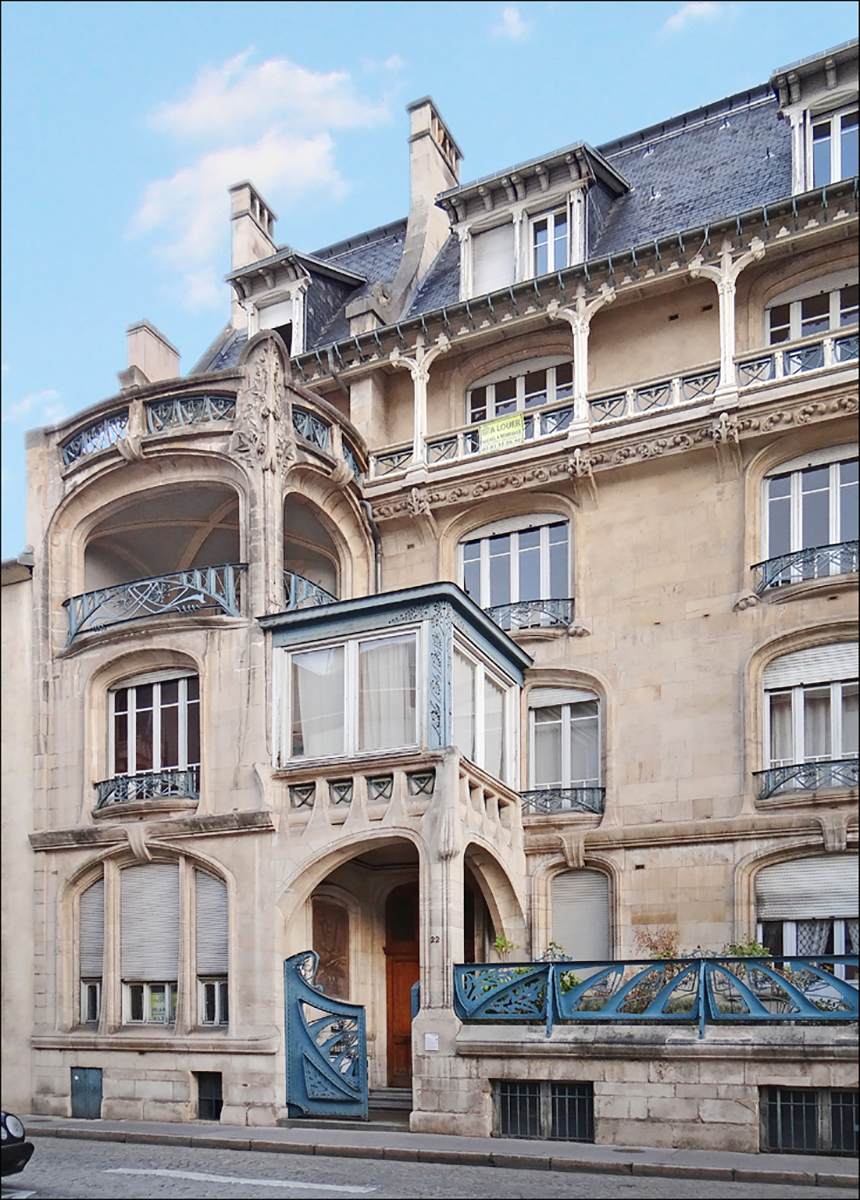
Exterior view
- MEDIUM
- Photo
- TYPE
- Other
PALETTE
HOVER OR TAP A SWATCH FOR NAME, SHARE AND HEX. SAMPLED FROM THE IMAGE — INDICATIVE, NOT A PIGMENT ANALYSIS.
DEVELOPMENT BUILD — NOT FOR PUBLIC USE. CONTRIBUTE ON GITHUB.
03 — ARTWORK
PALETTE
HOVER OR TAP A SWATCH FOR NAME, SHARE AND HEX. SAMPLED FROM THE IMAGE — INDICATIVE, NOT A PIGMENT ANALYSIS.
COMMENTARY
UNDERLINED TERMS ARE DEFINED IN THE GLOSSARY.
The photo shows the lively street façadethe front or principal face of a building, especially one elaborately constructed; a blind façade is a façade that is purely decorative and does not relate to the structure of the building. of the building boasting an open loggiaA gallery or room open on one or more sides, its roof supported by columns. Loggias in Italian Renaissance buildings were generally on the upper levels. Renaissance loggias were also separate structure, often standing in markets and town squares, that could be used for public ceremonies., a porch and a high galleryan upper story, similar to a tribune, running along the side of a building and open on one side to the interior; in a church (basilica) above the side aisles, over the ambulatory (central-plan building) and also over the west end. The gallery was used to keep certain groups of worshippers apart (women, noblemen).. The critic Émile Nicolas (1871-1940) compared it to a plant and saw in it the victory of botanical naturalismGeneric term for scientific positions supported by natural insights. In fine arts and literature between approximately 1870 and 1900, Naturalism tried to reproduce the reality comprehended through sensory experience as realistically as possible, i.e. without idealising the object, but with scientific precision. In contrast to Realism, which was also based on the accurate description of natural occurrences, Naturalism concerns itself with the sensual dimensions of observation, whereby questions of morality and social criticism come to the fore. The spokesman for literary Naturalism was Emile Zola, who believed the artistic methods provided evidence of human existence. over classicalRelating to the culture of ancient Greece and Rome (classical Antiquity). The classical world played a profoundly important role in the Renaissance, with Italian scholars, writers, and artists seeing their own period as the rebirth (the "renaissance") of classical values after the Middle Ages. The classical world was considered the golden age for the arts, literature, philosophy, and politics. Concepts of the classical, however, changed greatly from one period to the next. Roman literature provided the starting point in the 14th century, scholars patiently finding, editing and translating a wide range of texts. In the 15th century Greek literature, philosophy and art - together with the close study of the remains of Roman buildings and sculptures-expanded the concept of the classical and ensured it remained a vital source of ideas and inspiration. anthropomorphism. The metal aedicule on the entrance porch was added in 1928 by Jean Prouvé (1901-1984), son of the painter Victor Emile Prouvé.
@online{wga-r3e07919430c1a1,
  author       = {Krén, Emil and Marx, Daniel},
  title        = {Exterior view by VALLIN, Eugène},
  organization = {{Web Gallery of Art}},
  date         = {2026-09-13},
  url          = {https://beta.wga.hu/artists/vallin-eugne-r9d3e3f5d5ff601/exterior-view-r3e07919430c1a1},
  urldate      = {2026-09-13},
  langid       = {english}
}
ACCESSED 2026-09-13. REPLACE THE AUTHOR FIELD WITH THE COMMENTARY AUTHOR WHERE ONE IS NAMED.


