03 — ARTWORK
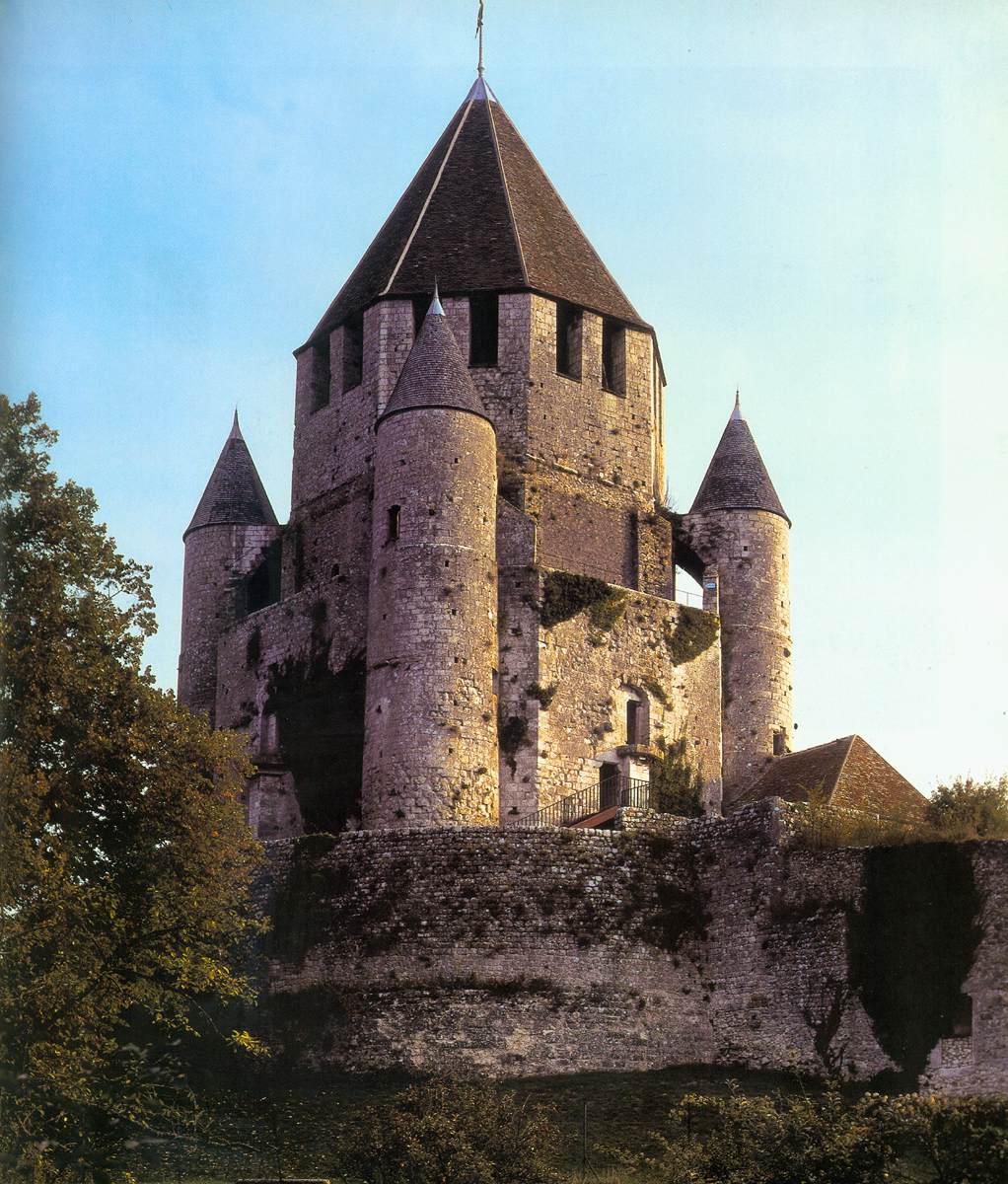
Exterior view
- MEDIUM
- Photo
- TYPE
- Other
PALETTE
HOVER OR TAP A SWATCH FOR NAME, SHARE AND HEX. SAMPLED FROM THE IMAGE — INDICATIVE, NOT A PIGMENT ANALYSIS.
DEVELOPMENT BUILD — NOT FOR PUBLIC USE. CONTRIBUTE ON GITHUB.
03 — ARTWORK
PALETTE
HOVER OR TAP A SWATCH FOR NAME, SHARE AND HEX. SAMPLED FROM THE IMAGE — INDICATIVE, NOT A PIGMENT ANALYSIS.
COMMENTARY
UNDERLINED TERMS ARE DEFINED IN THE GLOSSARY.
Until the end of the first millennium, secular buildings (residential and domestic quarters) seem to have been built exclusively from non-durable materials (conical mounds of earth, wood). Around the year 1000, wood was increasingly replaced by stone for the construction of residential towers. The keeptall, strong tower in medieval castles, used as an observation post and last refuge for those living in the castle, an, unlike the donjon, not designed for permanent habitation. (freestanding defence tower in a castle complex) became not only a fortified building but also a symbol of power.
The Tour César in Provins is a keep with octagonal ground plan and four semi-circular towers. It was protected by walls and moats and the motteThe earliest distinctive European fortification characteristic of feudal patterns of social organization and warfare was the motte-and-bailey castle, which appeared in the 10th and 11th centuries between the Rhine and Loire rivers and eventually spread to most of western Europe. The motte-and-bailey castle consisted of an elevated mound of earth, called the motte. meant that it was raised far above the level of any attackers. However, the style of construction of the latter must surely also had something to do with the desire of prestige.
@online{wga-r02e843aea96a2f,
  author       = {Krén, Emil and Marx, Daniel},
  title        = {Exterior view by ARCHITECT, French},
  organization = {{Web Gallery of Art}},
  date         = {2026-09-13},
  url          = {https://beta.wga.hu/artists/architect-french-rdae55df3ad7702/exterior-view-r02e843aea96a2f},
  urldate      = {2026-09-13},
  langid       = {english}
}
ACCESSED 2026-09-13. REPLACE THE AUTHOR FIELD WITH THE COMMENTARY AUTHOR WHERE ONE IS NAMED.


